I got into barre reluctantly, by accident. I’ve got two different hip problems and have been through a variety of physio and rehab, and missed a lot of training. I’ve also had a shoulder injury and I’m crap at push ups.
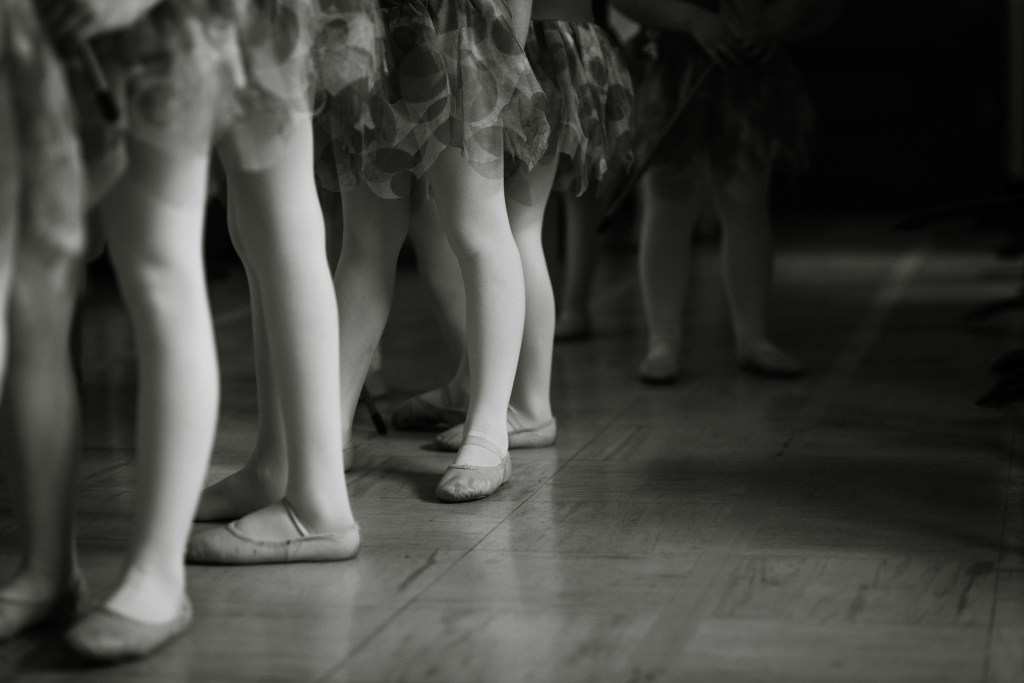
Photo by Jess Zoerb on Unsplash
I was talking to the physio I went to see for my shoulder about strength generally. I’d tried a few different things by that stage: exercises from the physio (often effective, but targeted and don’t address the whole body), reformer pilates (small, expensive classes, scary device that looks a bit Middle Ages), individual pilates instruction (really properly expensive, incredibly fancy gym, inconvenient location, but effective), group pilates (highly effective, but a long journey and complicated parking). He mentioned barre in passing, and I thought it was worth a try.
I found a Barrecore studio near me. I joined a queue of beautifully sculpted and lycra’d barre devotees in the fragrant basement of Sweaty Betty in Wimbledon. I felt a bit under dressed in my ancient gasshuku t-shirt and cheap leggings.
The class was in a carpeted, mirrored studio, with purple mats and pink weights. Many of the movements were familiar from the Pilates classes I’d been to, but Barrecore adds more bodyweight exercises and many variations on a plank. A lot of the movements are tiny but demand fierce endurance, like lengthy squats on the balls of your feet, standing splits and the full-body ‘ice skater’.
The instructors move from wince-inducing micro-moves to careful stretches with a ballet dancer’s flowing grace, which is a wonderful thing to aspire to while I lurch from failed plank to flailing side plank. They’re great at explaining why you’re doing what you’re doing and how the movements work, including – and karateka will appreciate this more than their core audience – why we’re spending an agonising amount of time in shicodachi (or ‘wide second position’). It’s essential to get your posture right and make sure you do exactly as the instructor says; there’s even a ‘form’ class, which helps you get used to the moves, before moving into their usual ‘signature’ class. There’s also an advanced class.
I went to a few classes until I felt I’d got a good idea of what to do, then switched to the on-demand classes. For only £25 a month, you can watch as many of their videos as you like. You can choose a short workout to focus on one area of the body, or do the whole thing – I found the short lower body classes really helpful for keeping my hip injury in check for the run-up to my last grading. It’s probably a good idea to go to an in-person class every so often, just to check you’re doing things right, though there are plenty of reminders in the videos.
You need to do a few videos a week to see results, and I struggled to find the time, but once I’d seen the improvement to my hip, my balance and my core strength, I was hooked. I wouldn’t go so far as to say I’m good at barre yet, and I can’t see anyone describing it as fun – in fact it’s right up there with parking in the entertainment stakes – but if you’ve got to the stage where you’re thinking about buying shares in your local physio practice, it’s a bargain.
 Some other thoughts